Curious enough
to keep learning.
Experienced enough
to know what matters.
10 years hasn't made me less curious — just faster.

Hendrix
10+ years in B2B SaaS, doing the full scope of product marketing — research, positioning, pricing, enablement, content. I'm genuinely curious about how things work: markets, buyers, products, AI tools I haven't tried yet. That curiosity is what makes me good at research and the kind of messaging that actually lands. I dig into customer interviews, pull apart competitor decks, and poke at data until I understand what's really going on. Then I build the thing that explains it clearly — whether that's a one-pager, a pricing model, or a full GTM motion.
Early-stage companies where resources are tight, speed matters, and everyone contributes. I work best when PMM has a real seat at the table — collaborating with sales, CS, product, and marketing to build things that actually ship. Done is better than perfect; we can always iterate.
I use AI the way a team uses specialists: to analyze large amounts of qualitative and quantitative data quickly, to prototype interactive content and explore different framings before committing, and as an always-on research and drafting partner that keeps things moving. It's not a shortcut — it's how I stay rigorous and fast at the same time.
Real work. Real results.
Organized by PMM discipline. These artifacts were built collaboratively — with sales, CS, design, and marketing partners — and shaped by direct customer and market research.
Corporate Enterprise ICP Guide
Trackforce was expanding into corporate enterprise security — a completely new buyer with different pain points, a different buying committee, and different proof requirements than our existing contract security customer base. I ran the research from scratch: 15+ customer and prospect interviews, expert network calls, win/loss analysis, and ICP scoring across firmographic, technographic, and behavioral dimensions. The output is a living strategy document covering buyer personas (CSO through Procurement), 9 validated pain points, 6 buying triggers, ABM plays, objection handling, and MEDPICC qualification criteria. Used to align sales, CS, and leadership on who we're targeting and why.
Data Stories Deck
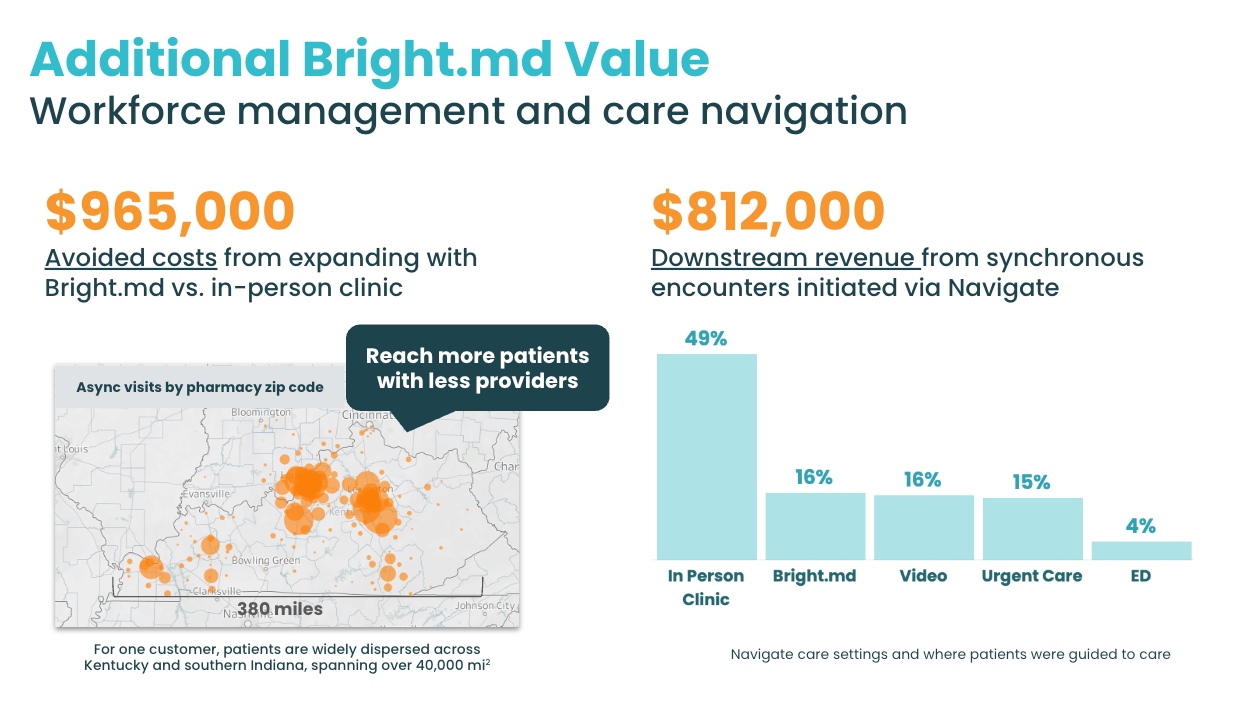
Pulled raw clinical and product data, found the signals that would actually move a skeptical health system buyer, and turned them into a visual narrative — adoption curves, efficiency comparisons, geographic coverage gaps. Used in investor conversations and ICP validation internally.
Security Firm Competitor Battlecards
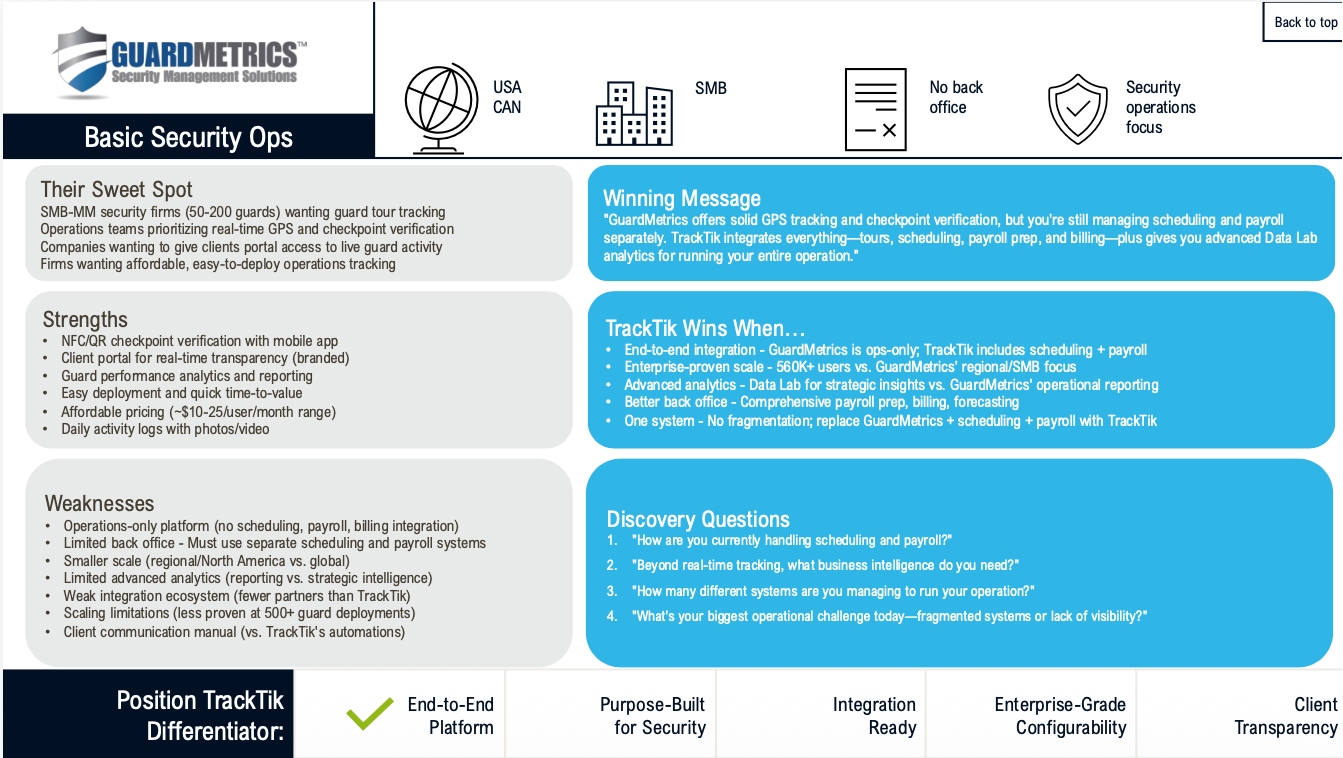
9 battlecards across the security software landscape (TEAM Software, Deputy, Belfry, Guardhouse, and more). Each card is built around what the competitor actually does well — not just where they're weak — with discovery questions that surface real prospect pain and winning messages tied to actual differentiation. Researched using customer interviews, sales call review, and AI-powered analysis.
Reducing Enterprise Risk with Operational Clarity
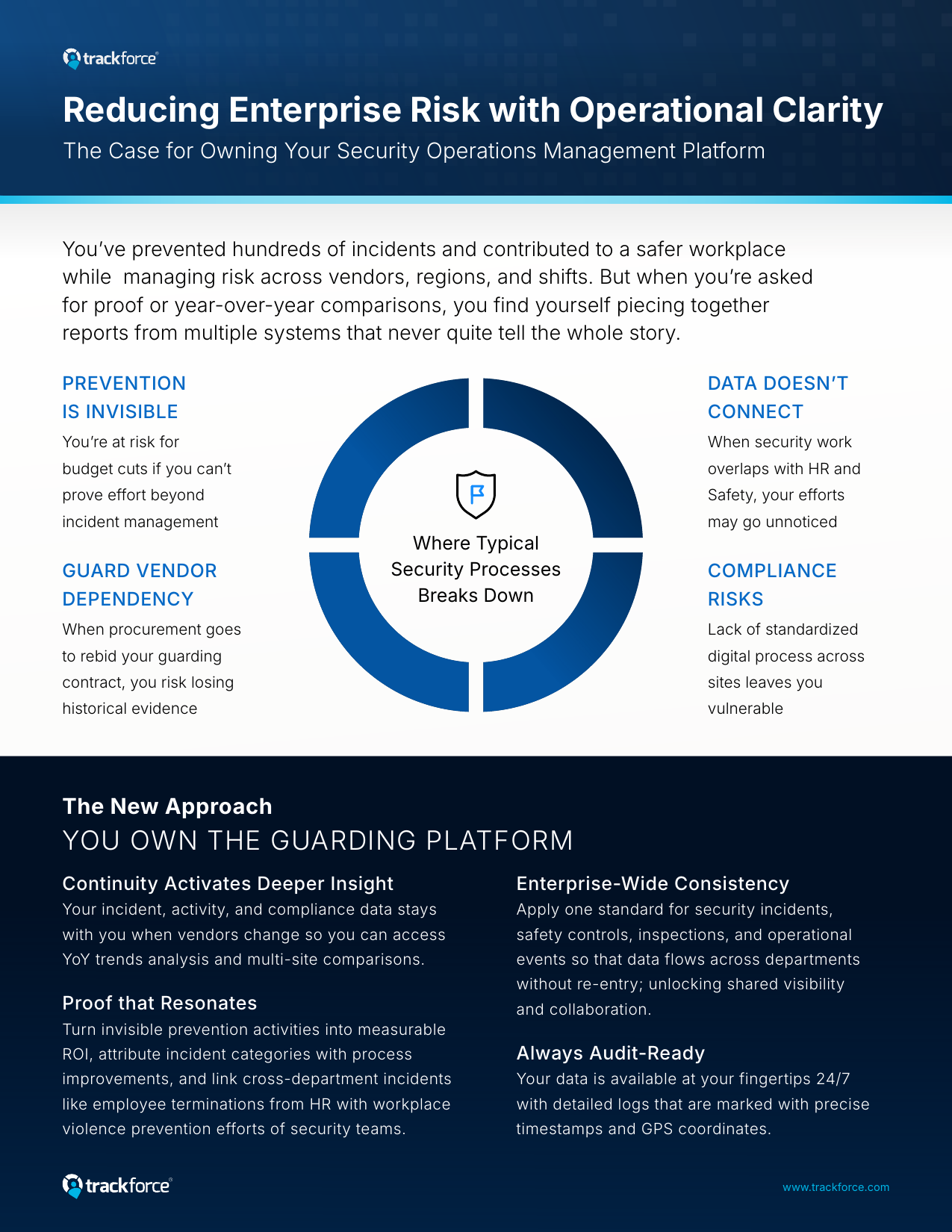
A CSO-targeted one-pager that reframes the "security as cost center" problem and positions Trackforce as the platform that makes prevention visible and budgets defensible. Written entirely around the CSO's real anxiety: "success = nothing happens," which makes their job impossible to justify. The messaging architecture came directly from ICP research — the four pain points (invisible prevention, vendor dependency, disconnected data, compliance risk) map to specific discovery call findings. Built to work as a leave-behind after a first conversation.

TrackTik for Corporate Security Teams
Full solution brief for a new buyer persona — corporate security teams who own the platform, not the guard services. Different vocabulary, different pain points, different proof requirements than our legacy messaging. Developed from ICP research and validated with sales before publication.
Manufacturing Industry Page
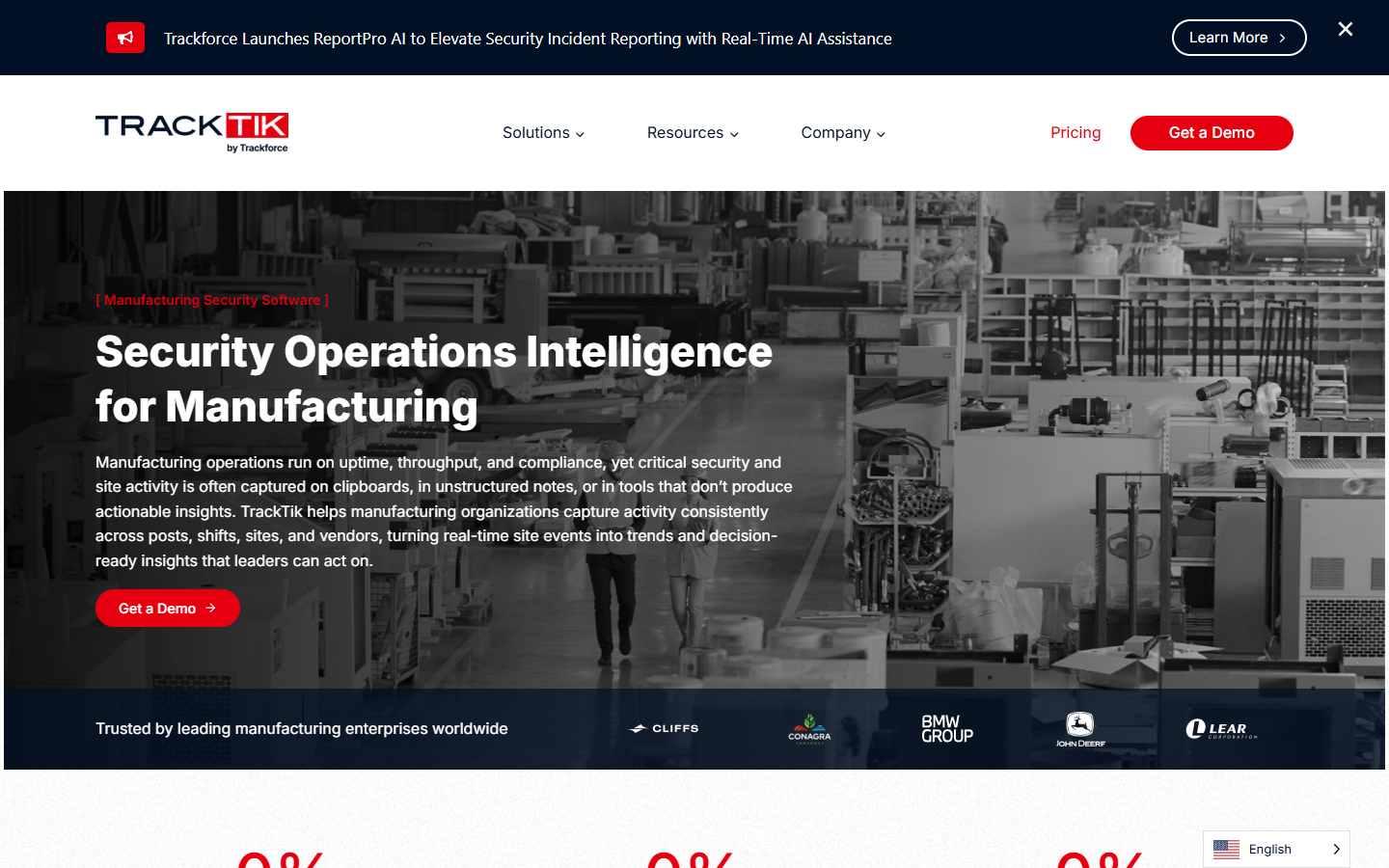
Vertical pages fail when they swap an industry photo and call it done. I researched the manufacturing security buyer's real priorities, interviewed Lear Corporation as a reference, and wrote copy tied to actual outcomes (40% reporting time reduction). Ranks for targeted keywords; used by AEs prospecting into manufacturing accounts.
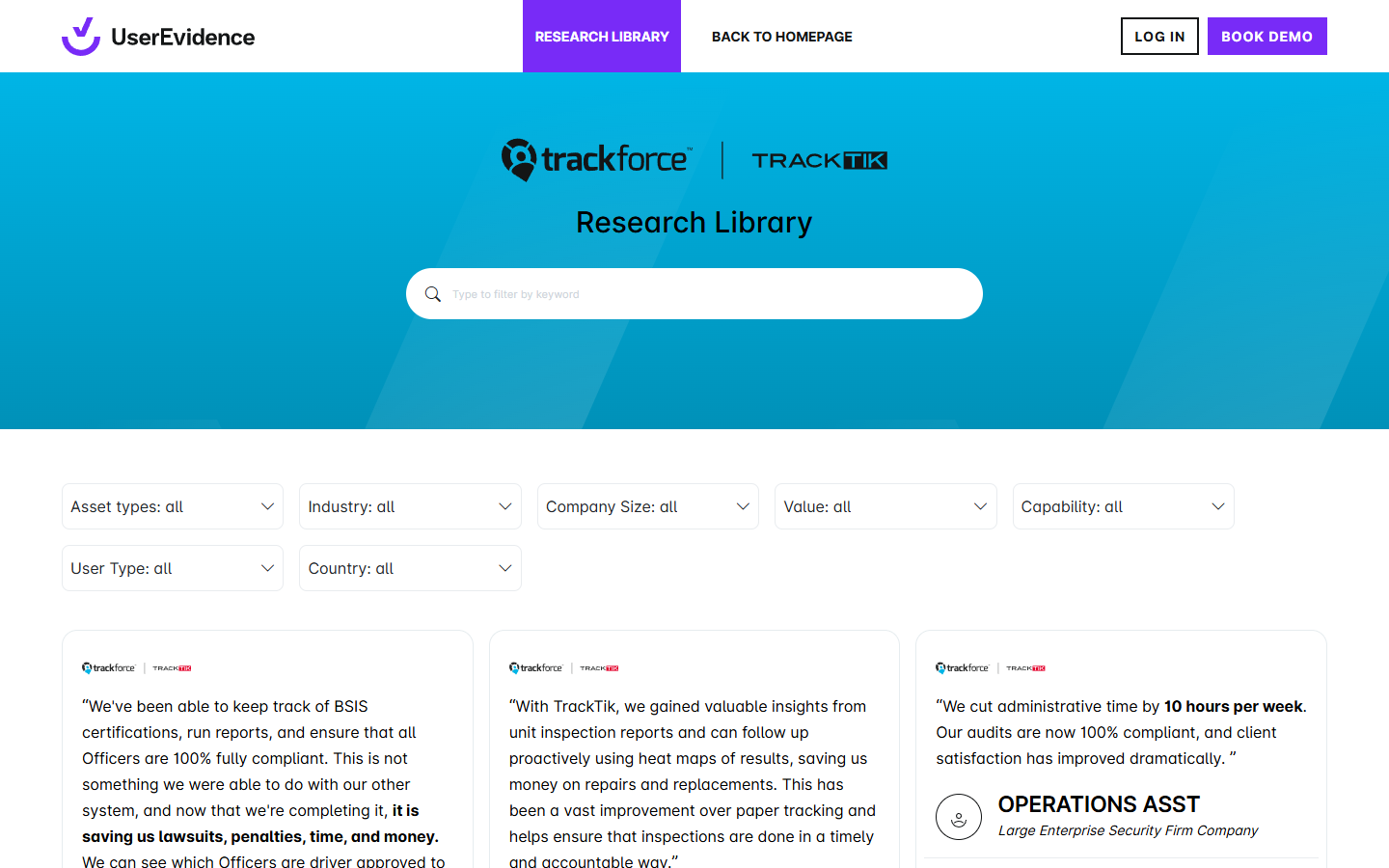
UserEvidence: Purchase, Rollout & 100+ Validated Testimonials
Built the business case for leadership approval, drove vendor selection and rollout, and developed all customer survey questions. Then reviewed every single response to distill 100+ validated testimonials — using them to sharpen messaging, accelerate stalled opportunities, and build out our ROI proof library.
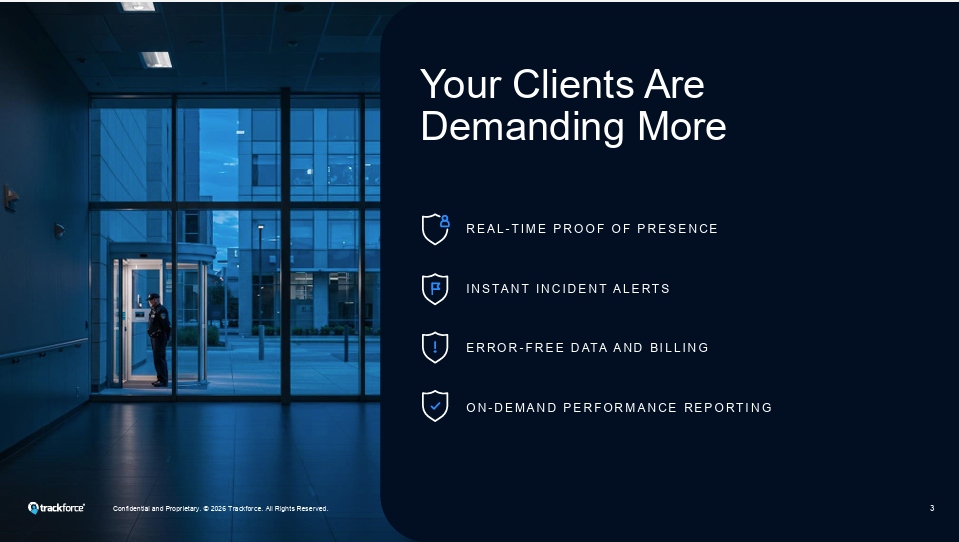
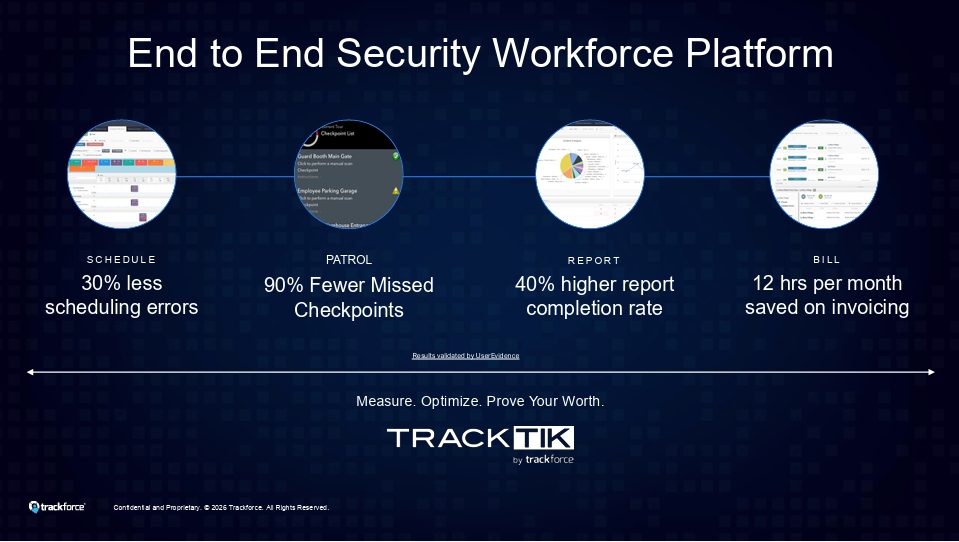
2026 Security Firm Pitch Deck
Three legacy brands, a global sales team, and no unified story. Built the positioning architecture in close collaboration with sales and leadership — what we are, who we're for, why now — then selected and sequenced proof points that would hold up to a CSO or CFO. Every metric is UserEvidence-validated. The deck works as a leave-behind and as first-call collateral.
Security Firm Proposal Template
A modular, customizable proposal template built around a "What We Heard" framework — so AEs open with the prospect's own words before pitching anything. Structured to walk from current state pain through future state outcomes, with enterprise architecture, security certifications, and implementation details all in place and ready to use.
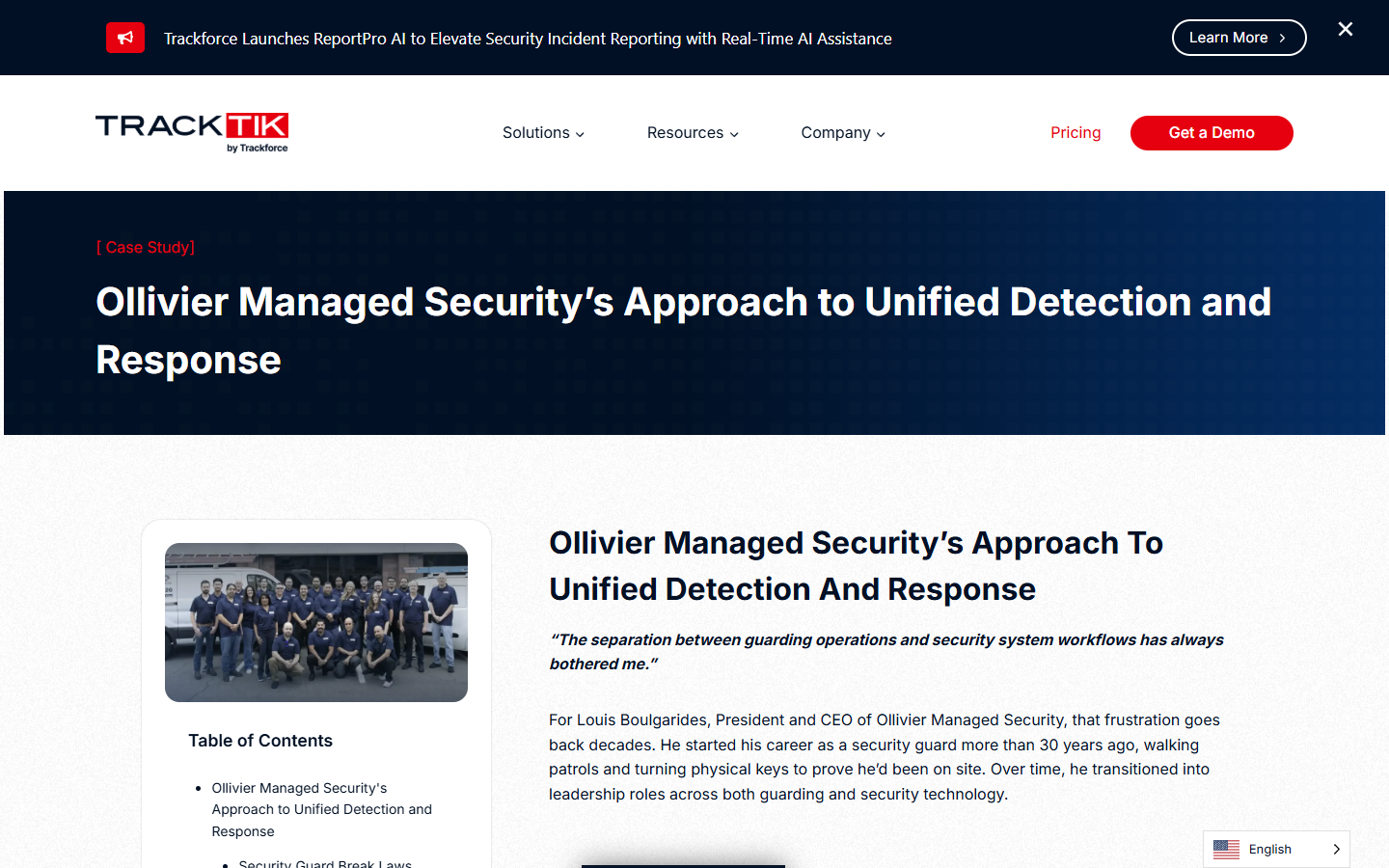
Ollivier: Launching the Immix Integration
Ollivier was our beta customer for a brand new Immix integration we had just launched. This story did double duty: announce a net-new product integration and show how Ollivier was differentiating their service offering with innovative technology. It became the anchor proof point for how we talked about our integration ecosystem with enterprise prospects.
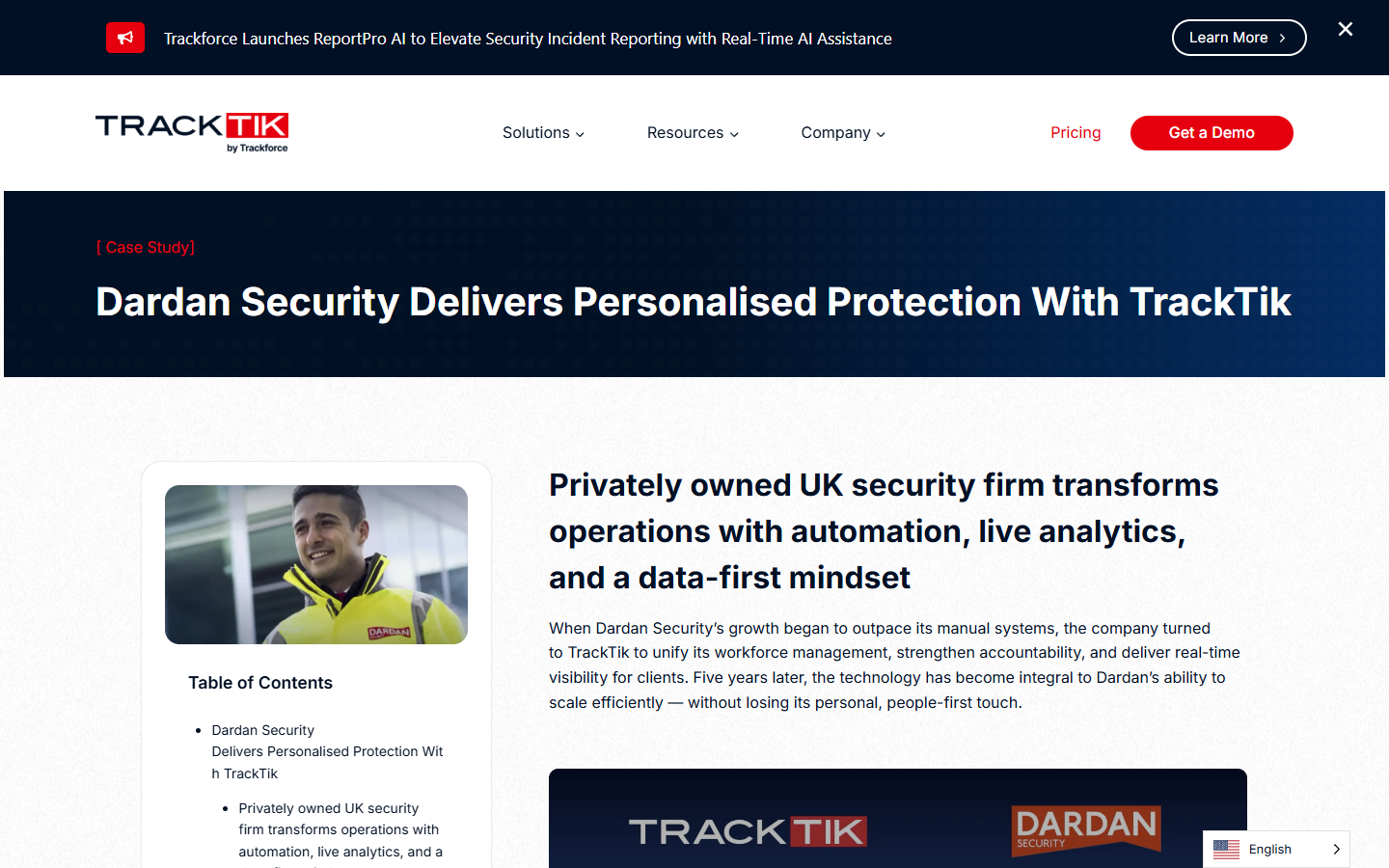
Dardan Security: Personalised Protection with TrackTik
Identified a gap in our proof story — no UK customers featured. Secured Dardan Security as a reference, led the customer interview, and uncovered data points and product differentiators that weren’t in our standard pitch. Crafted a narrative that made their people-first, personalised approach the hero, not just the technology.
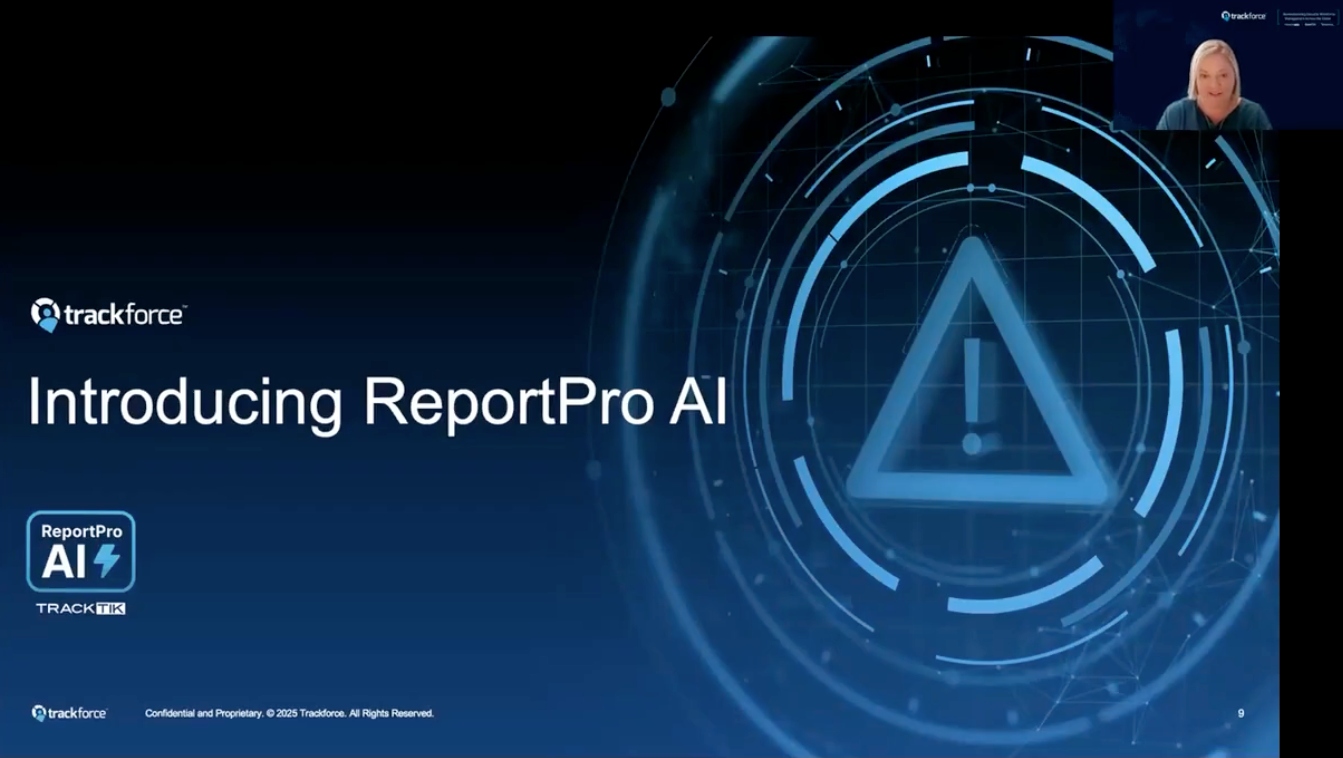
Incident Reporting Simplified: ReportPro AI
Led the session end-to-end — scripted, structured, and hosted the webinar. Recruited Tarian Group as an early adopter reference, shaped the narrative arc from problem to demo to peer validation, and coordinated across product and CS to make the live demo land. This format became the template for future product launches at Trackforce.
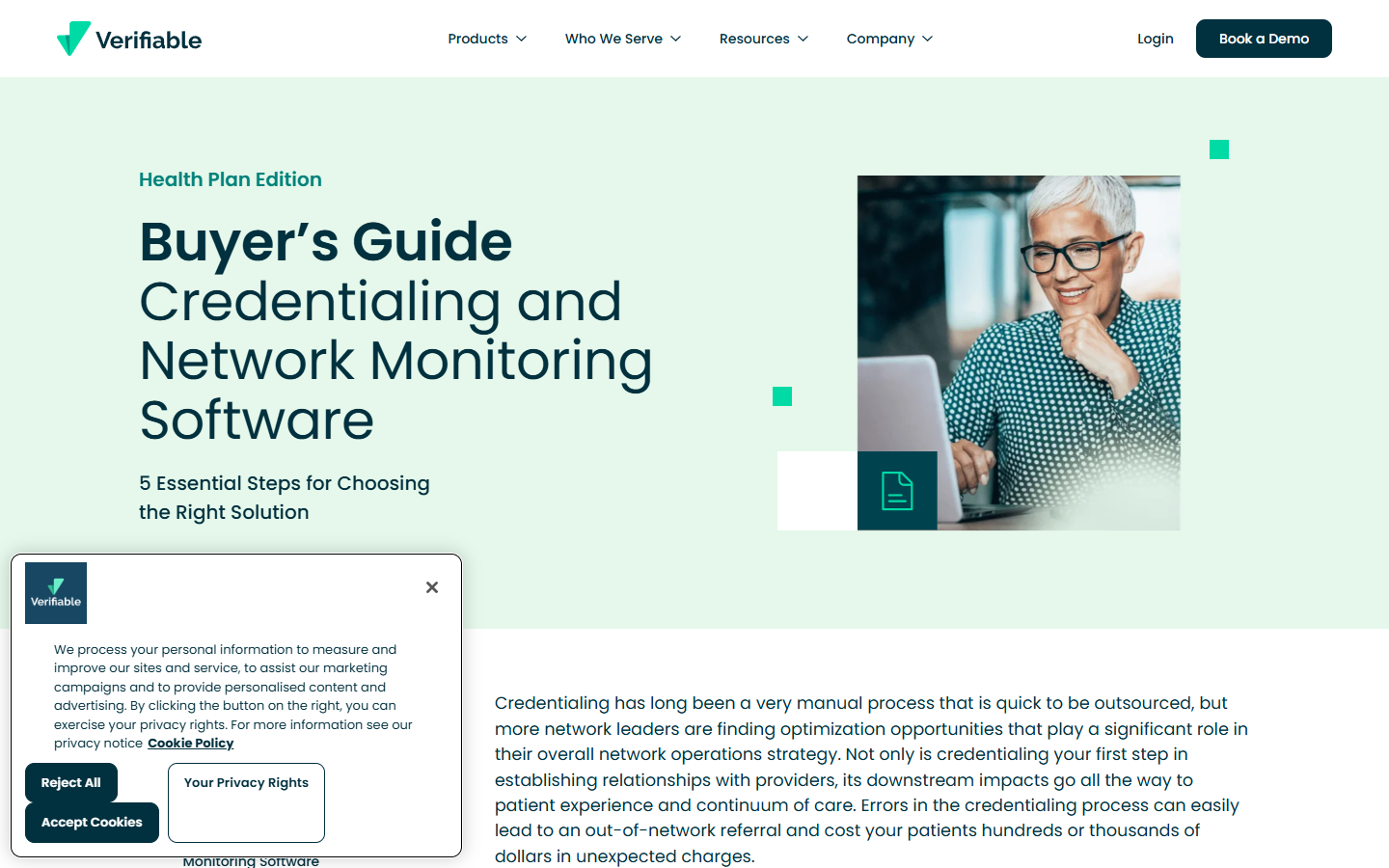
Buyer's Guide: Credentialing & Network Monitoring
Mapped the five-gate procurement journey health plan leaders actually go through, then built a guide that meets them at each step: market context, vendor evaluation criteria, a DIY ROI model, and a checklist procurement can use. Goal: compress the gap between first touch and a qualified conversation.
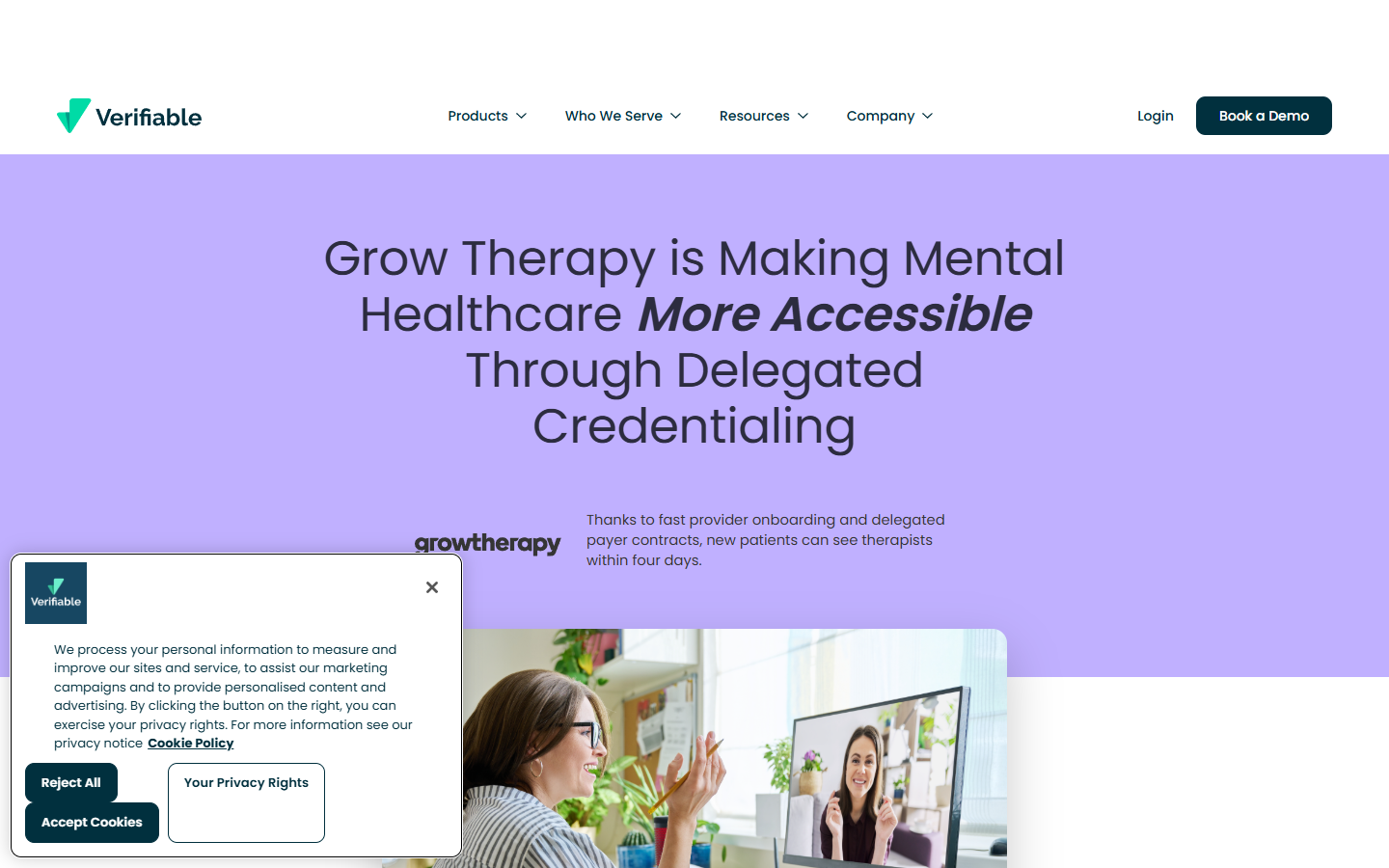
Grow Therapy: Scaling Provider Credentialing at Speed
Grow Therapy was onboarding 1,000+ providers monthly and credentialing was the bottleneck threatening their whole growth model. I structured the story around the business risk — what happens when you can't onboard fast enough — not the product features. That number (60 days to under 30) leads the story because it's the number the next buyer will use to build their own business case.
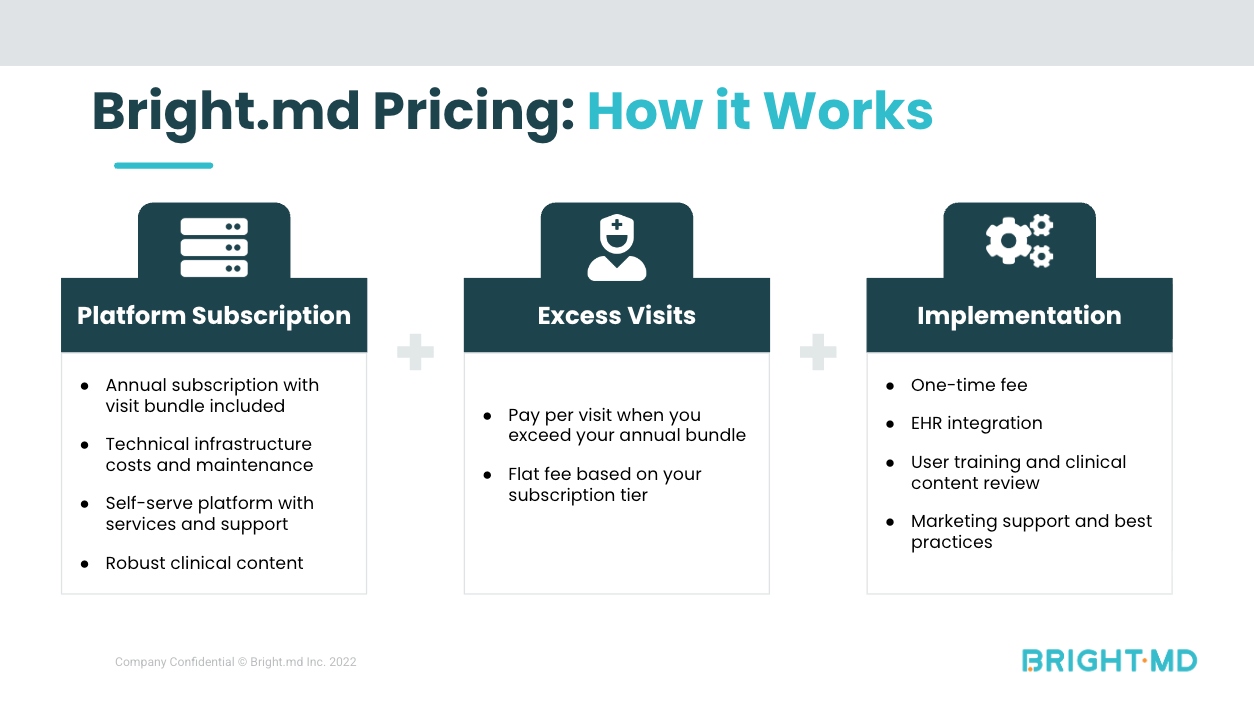
Pricing Architecture for Prospects
AEs couldn't defend the tiers; prospects were confused; deals dragged. I mapped how buyers were actually making the decision, restructured the packaging around clinical use case (not seat count), and built a visual model that gave reps a repeatable way to lead the conversation. Held up through procurement without a discount.
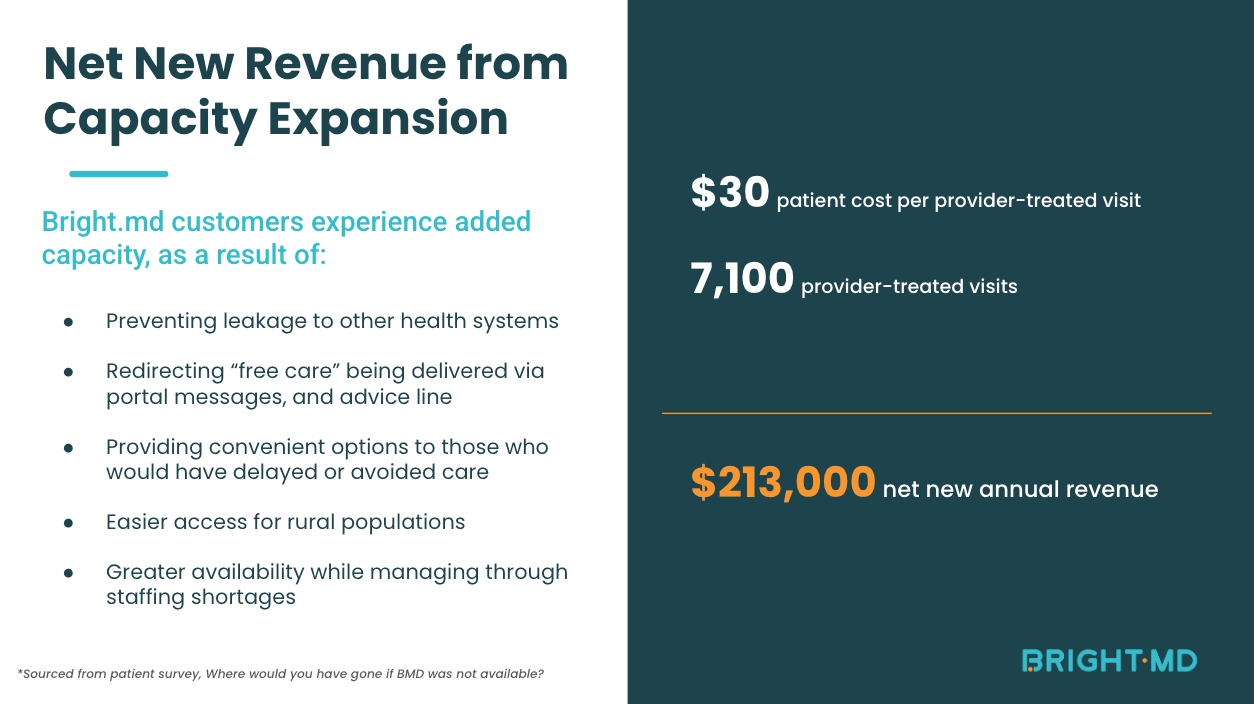
Business Case for the CFO
Enterprise deals were stalling at the finance stage — sales needed a model that could survive procurement, not just a slide deck. Working closely with sales and finance leadership, I mapped what the CFO would actually ask, modeled net new capacity revenue ($213k), downstream patient acquisition value, and hard cost savings using real customer inputs. The output was a customizable model AEs could adapt per account — giving finance a number they could defend internally.
Where I add value
The full PMM stack — from customer research and ICP development to pricing, enablement, and content — done by one person who moves fast and ships real work.
Customer interviews, expert network calls, win/loss analysis, and ICP scoring that tell you who you're actually selling to — and what they actually care about. I do the primary research, not just the synthesis.
Clear, specific narratives that give sales something to say in the first two minutes of a call. Starts with buyer research, ends with copy that's actually usable — not a positioning document that lives in a Google Drive folder.
Pitch decks, battlecards, proposal templates, and one-pagers that reps actually reach for. Built from sales feedback and buyer conversations — not from what sounds good in a strategy meeting.
Win/loss programs and battlecards built on real field research — competitor strengths included, not just the easy weaknesses. Designed to survive a live objection on a sales call.
Packaging architecture that maps to how buyers actually make decisions, not internal product structure. ROI models and business case frameworks that help deals get through procurement.
AI as a real part of the workflow — research synthesis, first drafts, competitive analysis, iteration at speed. Not hype; actual tools I use daily to move faster without adding headcount.
What product marketing actually is
Product marketing is the connective tissue between what a product does and why a market should care. Done well, it makes sales easier, product decisions sharper, and customers feel understood. Done poorly — or without the right conditions — it's just expensive content production.
PMM works when leadership treats it as a strategic function, not a support role. That means a seat in planning conversations, visibility into deals, and the ability to push back on messaging decisions based on market evidence — not just executional authority over slides.
The best positioning comes from talking to actual buyers — not from reading CS notes or summarizing sales call recordings. PMM needs regular, direct access to customers and prospects to keep messaging grounded in how people actually describe their problems, not how we wish they did.
PMM can't position what it doesn't understand. That means time with PMs, access to product roadmaps, hands-on time in the product itself, and the context to know which capabilities are differentiated and which are table stakes. Surface-level product literacy shows up in every piece of copy.
PMM improves when it hears what's actually happening in deals — what objections are landing, which messages are resonating, where buyers are hesitating. That requires a real feedback loop with sales: call reviews, win/loss debriefs, and reps who trust PMM enough to share the unfiltered version.
Let's figure something out together.
Looking for a PMM who can do the research, build the positioning, ship the artifacts, and iterate fast? Let's talk.